phishing
The 'Legal Documents On The Way' Robocall, Decoded
2026-06-22
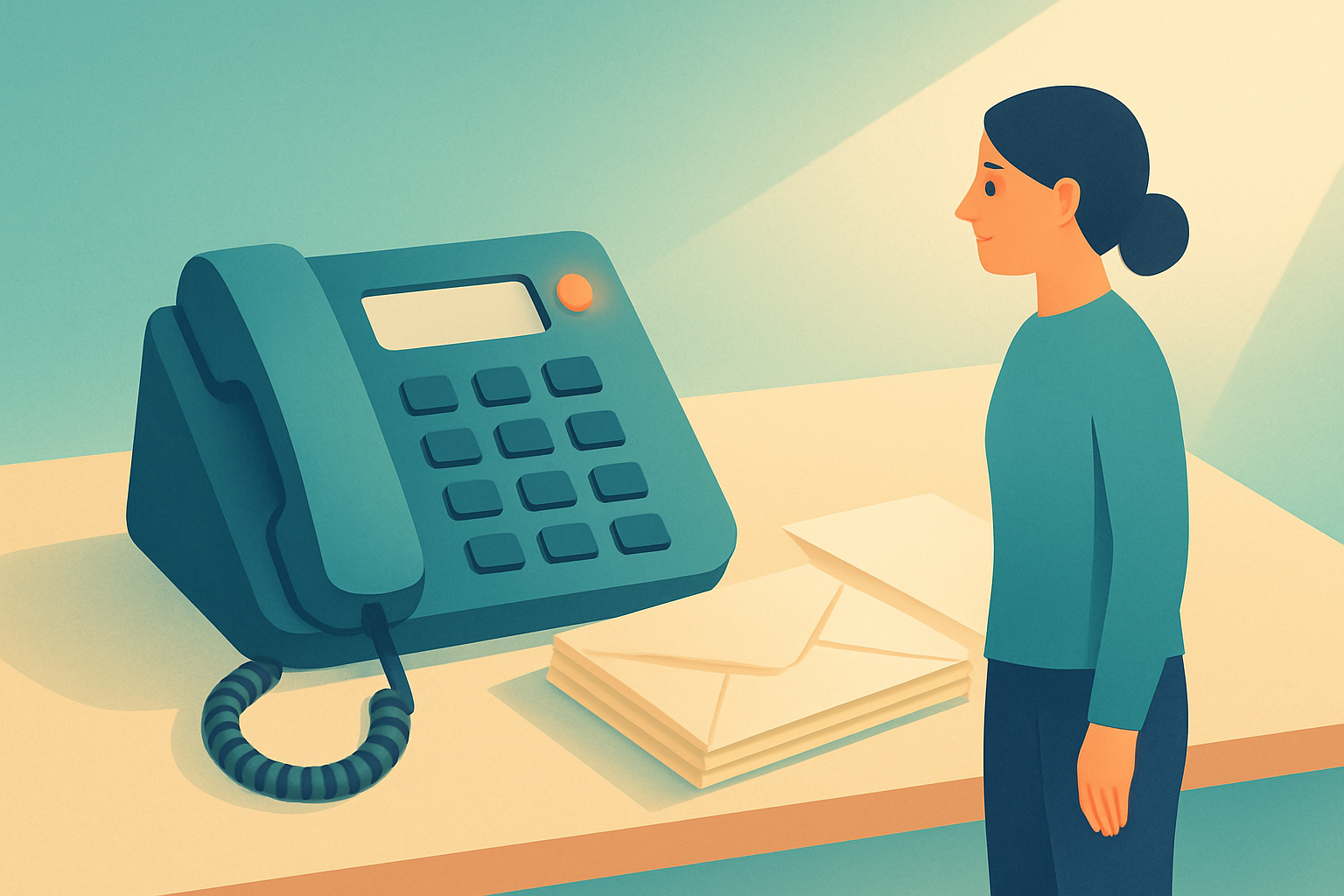
A manager at Malwarebytes recently received one of those voicemails engineered to ruin your afternoon. A calm, official-sounding voice claiming to be from a document delivery service. Legal papers needed signing, at home or at work. Two delivery attempts only. After that, the matter would proceed without your consent. Press one to reschedule, or call the number provided and quote your file reference.
It is, predictably, rubbish. Real process servers do not robocall ahead of time, and they do not run a customer hotline to help you sort out your own summons. The script is built to press two buttons simultaneously: fear of a court appearance, and the urgency of a deadline you cannot verify. The goal is to get you dialling before you have had a chance to think.
What happens when you call back
Once you ring the number, the routine is fairly consistent. The scammers already have your name and phone number, which lends the call a thin layer of credibility. From there, the conversation becomes a fishing expedition for everything else they need:
- Your home address
- Date of birth
- Payment card or bank details
- Sometimes employer information, to make the threat feel more real
Complaints filed with the Better Business Bureau describe a common variant: the caller is told they owe money on an old debt, and offered a generous discount if they settle on the spot. Reported losses sit between $100 and $500. Several people noted that the moment they pushed back or started asking questions, the polite tone vanished and the callers became openly aggressive.
Why the format works
The voicemail is a smart delivery mechanism. It removes the back-and-forth of a live call, so the victim does the thinking in private, where panic does most of the work. By the time they ring back, they have already decided the situation is real. They are not calling to be convinced. They are calling to make it stop.
The vagueness is deliberate. "A legal matter" could be anything. An unpaid bill, a court summons, a lawsuit from an employer. The brain fills in the worst-case scenario without any prompting.
What to actually do
Genuine legal processes do not run on robocalls and reference numbers. If something needs to be served on you, it gets served, in person or by post, by someone who is not going to negotiate over the phone.
If a voicemail is pushing you to ring an unfamiliar number about a vaguely described legal problem, the answer is almost always the same. Hang up. If you genuinely think there might be something to it, look up the relevant court or your own lawyer using a number you have found yourself, not one read out by a stranger with a deadline.
The scam works because it borrows the authority of the legal system and the panic of a missed deadline. Strip those two things away and there is nothing left to be afraid of.